Avviso: La presente guida è destinata a chi sta valutando HELP per il Long Covid e ai medici che desiderano comprendere le ragioni alla base del nostro approccio.
Convivere con il Long Covid o la sindrome post-COVID-19 può sembrare come essere intrappolati in un corpo che non segue più le regole con cui si è cresciuti. Molti dei nostri pazienti presso l’Apheresis Center hanno provato ogni protocollo suggerito dai loro medici, ma si ritrovano ancora bloccati ben al di sotto del loro precedente livello di funzionalità. Per questo gruppo di pazienti, ci concentriamo su una valutazione accurata e, in alcuni casi, utilizziamo terapie avanzate come l’aferesi terapeutica, mirate ai cambiamenti biologici ritenuti responsabili dei sintomi persistenti.
Perché il Long Covid spesso richiede qualcosa di più della semplice gestione dei sintomi
Durante i nostri colloqui, tutti i nostri pazienti ci raccontano una storia simile: hanno riposato, moderato i ritmi, seguito programmi di riabilitazione e provato i farmaci standard, eppure i loro sintomi si sono stabilizzati o sono ricomparsi non appena hanno oltrepassato una ristretta «zona di sicurezza». In altre parole, il Long Covid si comporta meno come una breve malattia virale e più come una patologia cronica recidivante, con cicli di riacutizzazione innescati da sforzi eccessivi, infezioni, calore o stress.
Dal punto di vista clinico, questi sintomi e quadri clinici corrispondono al concetto di sindrome post-COVID-19 (nota anche come PASC). Si tratta di una condizione in cui i fattori biologici alla base della malattia persistono anche dopo la guarigione dall’infezione iniziale. L’infiammazione cronica, la disfunzione autonomica e le alterazioni del sistema vascolare possono tutte contribuire alla sensazione di affaticamento, alla confusione mentale, alla dispnea, al dolore toracico e a molti altri sintomi avvertiti dal paziente.
Ciò ha profonde implicazioni sul reinserimento lavorativo: anche le persone più motivate hanno difficoltà a concentrarsi, a mantenere la resistenza e devono affrontare un aggravamento dei sintomi dopo lo sforzo fisico. Nonostante i loro migliori sforzi, si rendono conto che i tradizionali piani graduali di reinserimento lavorativo spesso falliscono se non sono accompagnati da un supporto biologico. Approfondiamo questo argomento nel nostro articolo “Perché il Long Covid dovrebbe essere trattato come una malattia cronica”.
Cosa sappiamo attualmente sulla biologia del Long Covid
Sebbene la ricerca sul Long Covid sia ancora in fase di sviluppo, nei nostri pazienti si riscontrano diversi modelli ricorrenti.
- Infiammazione persistente: il Long Covid/PASC è associato a un’attivazione immunitaria continua e a livelli elevati di mediatori infiammatori, che possono persistere a lungo dopo l’infezione acuta.
- Disfunzione endoteliale: la proteina Spike del SARS-CoV-2 è in grado di infettare le cellule endoteliali e causare endotelite, che porta a un danno al rivestimento dei vasi sanguigni e a una disregolazione della coagulazione e del flusso sanguigno.
- Microclots e compromissione della microcircolazione: numerosi studi hanno descritto la presenza di fibrina, amiloide microclots e e microtrombosi nell’infezione acuta da COVID-19 e nel long COVID, che possono ostruire i capillari e ridurre l’apporto di ossigeno ai tessuti, causando ipoperfusione.
Kell e colleghi hanno dimostrato che, nel Long Covid, il fibrinogeno può formare microclots di fibrina amiloide microclots sono insolitamente resistenti alla normale degradazione. Questi microclots di fibrina amiloide microclots intrappolare altre proteine, tra cui molecole infiammatorie e fattori che regolano la degradazione dei coaguli, contribuendo potenzialmente a mantenere uno stato di ipercoagulabilità e alla formazione di autoanticorpi.
Jaeger e colleghi hanno esaminato la tecnica di aferesi H.E.L.P. Heparin-Induced Extracorporeal LDL/Fibrinogen Precipitation) e hanno evidenziato che, nel COVID-19, il tessuto alveolare e i capillari adiacenti presentano spesso un’attivazione procoagulante, microtrombi e massicci depositi fibrinoidi che compromettono gli scambi gassosi.
Nel loro insieme, questi risultati suggeriscono che, almeno per un sottogruppo di pazienti, il Long Covid comporta una combinazione di infiammazione cronica, lesione endoteliale, microtrombosi, aggregazione piastrinica e microcircolazione compromessa. Discutiamo ulteriormente questi meccanismiin “Perché ti senti ancora male: la biologia nascosta del Long Covid”.

Perché si stanno studiando le terapie basate sul sangue
Se nel flusso sanguigno circolano elementi chiave della patologia, quali citochine infiammatorie, proteine della coagulazione anomale o materiale microclot, è logico prendere in considerazione una terapia extracorporea che modifichi direttamente il sangue.
L'aferesi terapeutica è diversa dalla terapia farmacologica: anziché somministrare un farmaco, rimuove determinati fattori circolanti con l'obiettivo di migliorare la reologia (le proprietà del flusso sanguigno), ridurre il carico infiammatorio e favorire il recupero endoteliale.
La revisione "Frontiers in Cardiovascular Medicine" di Jaeger et al. suggerisce che H.E.L.P. possa apportare benefici nei casi di COVID acuto e COVID lungo attraverso:
- Eliminando il 50–70% del fibrinogeno e riducendo la viscosità del plasma e l'aggregazione eritrocitaria, si migliora così il flusso sanguigno microcircolatorio.
- L'eliminazione delle citochine infiammatorie quali l'interleuchina-6, l'interleuchina-8, il fattore di necrosi tumorale alfa e la proteina C-reattiva, che può contribuire a placare la «tempesta di citochine» e lo stato infiammatorio cronico.
- La riduzione dei livelli di LDL e della lipoproteina (a) può migliorare la funzione endoteliale e la perfusione coronarica e cerebrale in altre patologie vascolari.
Allo stesso tempo, Kell et al. sostengono che la rimozione o la riduzione dei microclots persistenti di fibrina e amiloide, sia attraverso strategie anticoagulanti che con altri mezzi, possa essere fondamentale per alleviare l’ipossia tissutale e i sintomi associati al Long Covid. È importante notare che gran parte di queste evidenze proviene da studi meccanicistici, dati osservazionali e coorti pilota piuttosto che da grandi studi randomizzati; pertanto, evitiamo di definire l'aferesi come una "cura" e la presentiamo invece come un'opzione avanzata a bersaglio biologico attualmente oggetto di studio.
Come funziona l'aferesi terapeutica
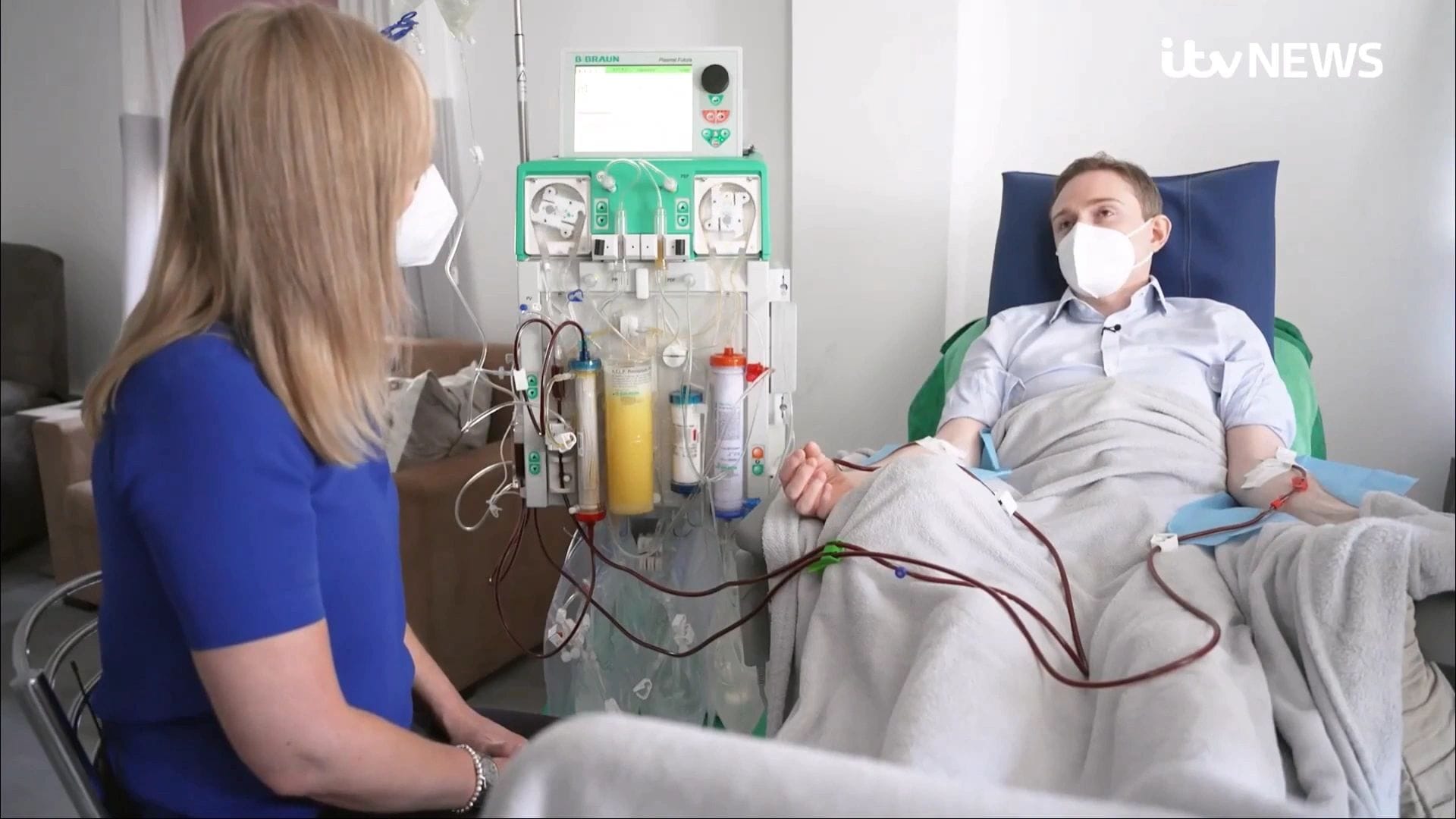
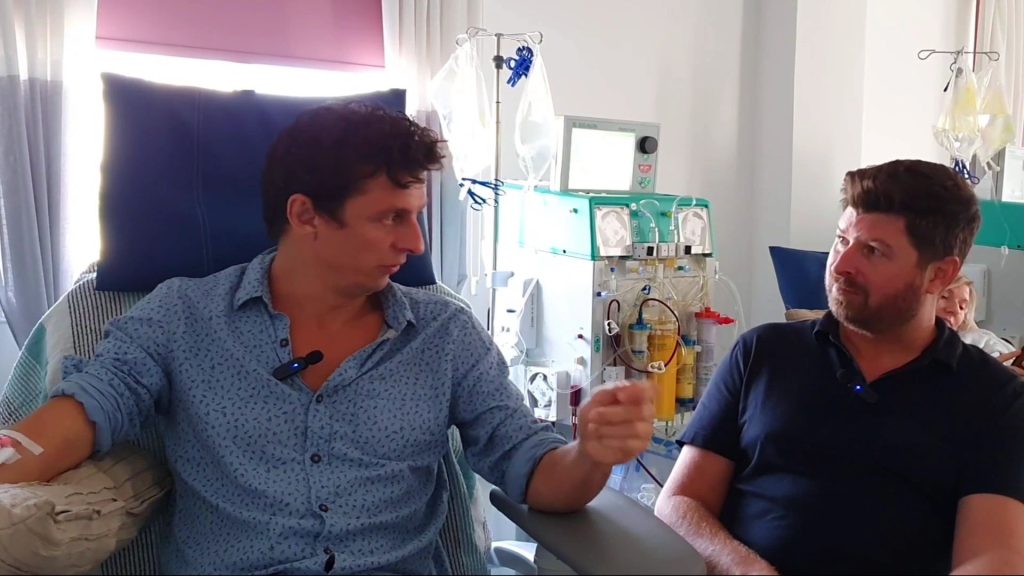
L'aferesi terapeutica è una procedura specialistica in cui il sangue viene fatto circolare al di fuori del corpo, dove viene filtrato e reimmesso nell'organismo in forma modificata. A livello concettuale, i nostri pazienti spesso trovano utile considerarla «simile alla dialisi», in quanto il sangue passa attraverso un circuito extracorporeo, ma gli obiettivi sono diversi. La dialisi rimuove i prodotti di scarto in caso di insufficienza renale, mentre l'aferesi rimuove specifici componenti del plasma come le lipoproteine, il fibrinogeno o i complessi immunitari.
Una tipica seduta presso il Centro di Aferesi si svolge come segue:
- Il sangue viene prelevato tramite un catetere venoso e convogliato nella macchina per l'aferesi.
- Il sangue viene filtrato all'esterno dell'organismo, separando il plasma dalle cellule ematiche e rimuovendo in modo selettivo le sostanze desiderate a seconda del metodo di aferesi utilizzato.
- Il plasma trattato (talvolta con fluidi di sostituzione) e le cellule ematiche vengono reimmessi nel corpo attraverso lo stesso circuito.

Tutte le procedure vengono eseguite sotto la supervisione di specialisti con monitoraggio continuo dei segni vitali, e i piani terapeutici sono personalizzati in base alle condizioni cliniche, alle comorbilità e ai parametri di laboratorio.
Tipi di aferesi utilizzati nelle patologie post-COVID
Diverse forme di aferesi terapeutica sono state utilizzate nel trattamento del COVID-19 e sono attualmente oggetto di studio per le patologie post-COVID-19:
- H.E.L.P. è una forma di aferesi lipidica in cui il colesterolo LDL, la lipoproteina (a) e il fibrinogeno precipitano a pH basso in presenza di eparina e vengono rimossi dal plasma.
- La plasmaferesi (scambio del plasma), procedura in cui il plasma viene rimosso e sostituito con plasma da donatore o albumina, consente una rimozione più ampia delle proteine plasmatiche, compresi gli anticorpi e i complessi immunitari.
Presso l'Apheresis Center, nei nostri protocolli per il Long Covid e il periodo post-vaccinazione ci concentriamo H.E.L.P. , spesso nell'ambito del nostro più ampio "Protocollo Cipro". Ciò può includere anche terapie endovenose, nutrizione clinica, coaching sanitario, terapie immunomodulanti e altri trattamenti di supporto.
A chi si rivolge HELP
H.E.L.P. è stata originariamente concepita per i disturbi lipidici gravi, ma presenta caratteristiche che la rendono una terapia promettente nel trattamento del Long Covid e di sindromi post-virali simili. Nel circuito extracorporeo viene aggiunta eparina e il pH del plasma viene abbassato fino al punto isoelettrico, dove LDL, lipoproteina (a), VLDL e fibrinogeno precipitano e possono essere rimossi prima che il plasma venga tamponato e reimmesso nell’organismo. Nei pazienti cardiovascolari e trapiantati, è stato dimostrato che questo migliora il flusso sanguigno coronarico e cerebrale e riduce il rischio trombotico.
Nel contesto del Long Covid, HELP suscita interesse perché può agire su diversi fattori ritenuti rilevanti:
- Microclots microtrombosi: grazie alla rimozione del fibrinogeno e al miglioramento della reologia, H.E.L.P. contribuire a ridurre la presenza di microclots ricchi di fibrina microclots l'ostruzione dei capillari.
- Mediatori infiammatori: è stato dimostrato che H.E.L.P. rimuove citochine quali IL-6, IL-8 e TNF-α e riduce la proteina C-reattiva di oltre il 50% in alcuni casi.
- Lipoproteine in eccesso: la riduzione delle LDL e della lipoproteina (a) può favorire la salute endoteliale e la perfusione microvascolare.
- Fattori che influenzano la viscosità del sangue: la riduzione del fibrinogeno e la modifica del profilo emoreologico possono ridurre la viscosità del sangue e l'aggregazione eritrocitaria, migliorando l'ossigenazione dei tessuti.
Quando i pazienti cercano "aferesi per il Long Covid suHELP " o "trattamento del Long Covid con filtraggio del sangue", è proprio questa combinazione di materiale correlato all'microclot, mediatori infiammatori, lipoproteine in eccesso e fattori di viscosità che prendiamo di mira, piuttosto che una vaga nozione di "disintossicazione".
Potenziali benefici osservati nei pazienti affetti da Long Covid
I primi studi osservazionali e le esperienze cliniche suggeriscono che alcuni pazienti affetti da Long Covid potrebbero registrare un miglioramento dei sintomi dopo cicli di trattamento mediante aferesi.
Tra i sintomi che, secondo quanto comunemente riportato, tendono a migliorare figurano i seguenti:
- Affaticamento: Maggiore resistenza nelle attività quotidiane, riduzione dell'esaurimento e del malessere post-sforzo.
- Confusione mentale: Pensiero più lucido, maggiore facilità nel trovare le parole e miglioramento dell'elaborazione cognitiva.
- Intolleranza allo sforzo: maggiore tolleranza alla camminata o all'attività fisica moderata, con un minor numero di riacutizzazioni ritardate.
- Sintomi legati alla circolazione: minore sensazione di pesantezza, freddo o alterazioni del colore a mani e piedi, in linea con il miglioramento della microcircolazione.
Nella revisione pubblicata su Frontiers, gli autori osservano che H.E.L.P. migliora la portata del flusso sanguigno miocardico, cerebrale e polmonare, nonché la riserva di flusso coronarico in altre patologie, a sostegno della plausibilità di benefici simili nei casi in cui i sintomi del Long Covid siano associati a una ridotta perfusione. Kell et al. sottolineano che la rimozione microclots di fibrina amiloide microclots il miglioramento dell’apporto di ossigeno potrebbero costituire, dal punto di vista meccanicistico, la base dei miglioramenti osservati in diversi ambiti sintomatici.
È tuttavia fondamentale precisare che i risultati possono variare: alcuni pazienti ottengono benefici modesti o nulli, e la durata a lungo termine dei miglioramenti è ancora oggetto di studio. Evitiamo quindi affermazioni categoriche o garanzie e sottolineiamo che l’aferesi rimane una componente di un programma terapeutico completo per il Long Covid, piuttosto che una cura a sé stante.
HELP vs. plasmaferesi per la PASC
Le principali differenze in sintesi
I pazienti affetti da PASC (sequele post-acute da SARS-CoV-2) spesso si imbattono nei terminiHELP e «plasmaferesi» durante le loro ricerche e, comprensibilmente, si chiedono in cosa differiscano. La tabella seguente riassume le principali differenze.
Entrambe sono forme di terapia extracorporea, ma agiscono a livelli diversi nel sangue e nel sistema immunitario. La scelta tra le due dipende dalle caratteristiche biologiche prevalenti del paziente, ad esempio dai cambiamenti reologici microcloto da una malattia fortemente mediata dagli autoanticorpi, dalle comorbilità e dal rapporto rischio-beneficio individuale.
| Aspetto | HELP | Plasmaferesi (scambio del plasma) |
| Obiettivo principale | LDL, lipoproteina (a), fibrinogeno, fattori infiammatori legati ai lipidi | Ampia gamma di proteine plasmatiche, tra cui anticorpi, complessi immunitari e complemento |
| Selettività | Più selettivo; il plasma viene trattato e reimmesso dopo la rimozione dei componenti precipitati | Meno selettivo; viene prelevato e sostituito un volume definito di plasma |
| Meccanismi chiave nel contesto del PASC | Riduce il fibrinogeno e la viscosità, elimina i mediatori infiammatori legati ai lipidi e migliora la reologia | Elimina gli autoanticorpi e i complessi immunitari in circolazione, modulando la risposta immunitaria in modo più globale |
| Indicazioni tipiche non legate al COVID | Ipercolesterolemia familiare, malattia vascolare refrattaria, vasculopatia post-trapianto | Malattie neurologiche autoimmuni, patologie mediate da anticorpi |
| Effetto sugli anticorpi protettivi | Conserva le IgM/IgG nei protocolli standard, sulla base di una lunga esperienza in ambito cardiovascolare. | Può ridurre in modo significativo i livelli di anticorpi e del complemento, rendendo necessario un attento monitoraggio |
| Utilizza il modello | Spesso ripetuto a intervalli regolari; i protocolli per il Long Covid variano a seconda della struttura e del paziente | Di solito si svolge sotto forma di una serie limitata di scambi che si protraggono da alcuni giorni a diverse settimane |
Perché la scelta del trattamento è importante
Il Long Covid non è una singola malattia, bensì uno spettro di manifestazioni che si sovrappongono ad altre sindromi immuno-mediate e post-virali. Alcuni pazienti presentano caratteristiche indicative di microtrombosi, livelli elevati di fibrinogeno e dislipidemia, mentre altri manifestano segni autoimmuni più evidenti o una grave instabilità autonomica. Abbiamo inoltre riscontrato che molti presentano quadri clinici misti. Per questo motivo, non esiste una terapia unica che sia adatta o ottimale per tutti i pazienti affetti da PASC.
Le diverse tecniche di aferesi si distinguono per il profilo di rischio, l'impatto sulle proteine plasmatiche e le esigenze logistiche. È necessario valutare l'accesso vascolare, la durata della procedura, la terapia anticoagulante e i potenziali effetti collaterali, tenendo conto dei probabili benefici e dello stato di salute generale del paziente.
Presso il Centro di Aferesi ci basiamo quindi su valutazioni approfondite, e non su slogan promozionali, per stabilire se HELP , altre terapie o un trattamento conservativo rappresentino l'approccio più sicuro e appropriato in ciascun caso.
Chi può beneficiare dell'aferesi terapeutica
Quadri clinici comuni riscontrati nei candidati
L'aferesi terapeutica è generalmente riservata ai pazienti affetti da sindrome post-COVID-19 o da sindrome post-vaccinale che hanno già seguito le cure standard e continuano a presentare gravi menomazioni.
Tra le caratteristiche che riscontriamo più spesso nei candidati figurano:
- Sintomi persistenti da oltre 6 mesi che limitano in modo significativo la vita quotidiana o la capacità lavorativa, nonostante un adeguato programma di gestione dell'attività fisica, la riabilitazione e la terapia medica.
- Scarsa risposta alle cure standard, quali farmaci mirati ai sintomi, riabilitazione autonomica e programmi strutturati di ritorno alle attività
- Prove o forti sospetti di coinvolgimento infiammatorio o vascolare, quali livelli elevati di marcatori infiammatori, marcatori di ipercoagulabilità, dislipidemia o quadri clinici compatibili con una disfunzione microcircolatoria.
Teniamo conto anche della resilienza complessiva, delle comorbilità e degli obiettivi del paziente. Per alcuni, la priorità potrebbe essere quella di recuperare qualche ora di energia produttiva al giorno, mentre per altri potrebbe essere quella di tornare alle proprie responsabilità professionali o di assistenza. L’aferesi è più indicata quando può essere integrata in un piano terapeutico realistico, di supporto e sostenibile.
Chi non dovrebbe sottoporsi all'aferesi
Le controindicazioni sono fondamentali per qualsiasi procedura avanzata. Tra i motivi per cui una persona potrebbe non essere un candidato idoneo all'aferesi terapeutica figurano:
- Disturbi emorragici: gravi anomalie della coagulazione che rendono pericolosa la terapia anticoagulante o aumentano notevolmente il rischio di emorragia.
- Condizioni cardiovascolari instabili: quali aritmie non controllate, insufficienza cardiaca scompensata o recenti eventi cardiaci gravi.
- Controindicazioni individuate durante lo screening: anemia grave, infezione non controllata, impossibilità di ottenere un accesso vascolare sicuro o rischio di reazione allergica ai componenti del circuito o ai fluidi di sostituzione.
In alcuni casi, questi aspetti possono essere prima ottimizzati; in altri, potremmo sconsigliare l’aferesi e concentrarci invece su strategie più sicure. Se non sei un candidato idoneo all’aferesi, ciò non costituisce un giudizio sulla realtà o sulla gravità dei tuoi sintomi, ma riflette piuttosto la nostra responsabilità di evitare di esporti a procedure in cui i rischi superano i probabili benefici.
Rischi e benefici dell'aferesi terapeutica nel Long Covid
Potenziali vantaggi
I potenziali benefici del trattamento mediante aferesi per il Long Covid, se somministrato a pazienti accuratamente selezionati, includono:
- Alleviamento dei sintomi in pazienti selezionati: in particolare per quanto riguarda l'affaticamento, la lucidità mentale, la tolleranza all'esercizio fisico e i sintomi legati alla circolazione.
- Miglioramenti nei marcatori circolatori: parametri reologici, quali la riduzione dei livelli di fibrinogeno, della viscosità plasmatica e di alcuni marcatori infiammatori, che potrebbero favorire una migliore ossigenazione dei tessuti.
Nelle coorti cardiovascolari, H.E.L.P. è stata associata a un miglioramento del flusso sanguigno miocardico e cerebrale e a una riduzione degli eventi trombotici. Ciò avvalora l'idea più ampia di ricorrere a terapie reologomodificanti nelle patologie vascolari infiammatorie. Nel caso del Long Covid, stiamo ancora cercando di capire come tradurre al meglio questi effetti fisiologici in miglioramenti funzionali duraturi.
Rischi e limitazioni noti
L'aferesi è una terapia invasiva che richiede un notevole impiego di risorse. Tra i rischi noti figurano:
- Complicanze legate all'accesso vascolare: ecchimosi, emorragie, trombosi o infezioni nei siti di accesso.
- Effetti collaterali transitori: sensazione di vertigini, affaticamento, variazioni della pressione arteriosa e squilibri elettrolitici durante o dopo il trattamento.
- Reazioni correlate al plasma: durante la plasmaferesi (meno rilevanti nel caso HELP), reazioni allergiche o anafilattiche al plasma del donatore o ai fluidi di sostituzione.
Dal punto di vista delle prove, i limiti includono:
- Dati limitati provenienti da studi clinici su larga scala: la maggior parte delle prove attualmente disponibili sull'aferesi nel Long Covid proviene da studi meccanicistici, serie di casi e prime coorti, piuttosto che da studi clinici randomizzati controllati su larga scala.
- Risposte variabili: non tutti i pazienti mostrano un miglioramento, e l'entità e la durata dei benefici possono variare notevolmente.
- Considerazioni relative all'accessibilità e ai costi: questi trattamenti potrebbero non essere ampiamente disponibili o non essere coperti da tutti i sistemi sanitari.
Per questi motivi, sottolineiamo che l'aferesi terapeutica per il Long Covid è ancora un settore della medicina in fase di evoluzione, che richiede ulteriori ricerche per perfezionare la selezione dei pazienti, i protocolli e gli esiti a lungo termine.
L'aferesi è la «terapia più recente» per il Long Covid?
I nostri pazienti ci chiedono spesso se l'aferesi sia il trattamento «più recente» o «migliore» per il Long Covid. La risposta sincera è che non esiste un unico trattamento all’avanguardia o universale che funzioni per tutte le persone affette da sindrome post-COVID-19. Il Long Covid presenta una grande varietà dal punto di vista biologico e clinico, e ciò che aiuta una persona potrebbe non aiutare un’altra.
L'aferesi è un'opzione avanzata attualmente in fase di studio per una specifica sottocategoria di pazienti che sembrano presentare un coinvolgimento vascolare-infiammatorio significativo e che non hanno ottenuto miglioramenti sufficienti con le cure standard. Idealmente, dovrebbe inserirsi in un piano terapeutico più ampio che affronti la disfunzione autonomica, il sonno, la salute mentale, la riabilitazione, l'alimentazione e le strategie di stimolazione cardiaca, piuttosto che essere considerata una soluzione a sé stante.
Trovi maggiori dettagli sulle strategie di gestione dei sintomi, quali la gestione del ritmo delle attività, la gestione del calore e gli adattamenti nella vita quotidiana, nelle nostre risorse sul Long Covid e nell’articolo “Gestire l’intolleranza al calore da Long Covid nella calura estiva”.

Un approccio terapeutico completo e personalizzato
All’Apheresis Center non partiamo dall’aferesi, ma partiamo da te. Per ogni paziente, il percorso inizia con un colloquio approfondito che prende in esame l’anamnesi dei sintomi, i fattori scatenanti, le ricadute, la storia clinica e gli esami precedenti.
Utilizziamo una mappatura strutturata dei sintomi per comprendere fenomeni quali il malessere post-sforzo, l'intolleranza ortostatica, la sensibilità alla temperatura, i disturbi del sonno e le fluttuazioni cognitive, poiché questi spesso riflettono meccanismi biologici sottostanti.
Gli esami di laboratorio possono includere marcatori di infiammazione, della coagulazione, dei lipidi, della funzione autonomica ed endocrina, nonché altri esami pertinenti a seconda del quadro clinico.
Alla luce di ciò, esaminiamo le opzioni che potrebbero includere:
- Informazioni sul Long Covid;
- Strategie di ritmo;
- Nutrizione clinica;
- Coaching sulla salute;
- Fleboclisi, terapia peptidica e altri trattamenti di supporto.
- H.E.L.P. e protocolli combinati ove opportuno.
Fondamentalmente, adottiamo un approccio basato sul processo decisionale condiviso, in cui discutiamo dei dati scientifici, delle incertezze, dei rischi e degli impegni che ciò comporta. Decidiamo insieme se l'aferesi sia la soluzione più adatta ai tuoi obiettivi e alla tua situazione. Per una panoramica più ampia del nostro approccio, consulta la nostra pagina dedicata al Long Covid.
Storie di successo e testimonianze
Molti pazienti provenienti da tutto il mondo, tra cui Stati Uniti, Australia, Europa e Regno Unito, hanno riscontrato un notevole miglioramento grazie ai nostri protocolli terapeutici per il Long COVID. Le loro storie di successo testimoniano l'efficacia del nostro approccio.
Leggi le loro testimonianze complete.
Le domande dei pazienti che ci vengono poste più spesso
L'aferesi è di aiuto ai pazienti affetti da Long Covid?
Alcuni pazienti affetti da Long Covid riferiscono un miglioramento significativo di sintomi quali affaticamento, annebbiamento mentale, tolleranza all'esercizio fisico e disturbi circolatori dopo uno o più trattamenti di aferesi, in particolare quando vi sono segni di patologie causate da microclote infiammazione.
Tuttavia, le reazioni variano, non tutti ne traggono beneficio e non possiamo garantire risultati specifici per nessun individuo.
In che modo HELP differisce dalla plasmaferesi?
HELP rimuove in modo selettivo le LDL, la lipoproteina (a), il fibrinogeno e alcuni mediatori infiammatori, preservando al contempo in larga misura gli anticorpi protettivi. La plasmaferesi rimuove una gamma più ampia di proteine plasmatiche, compresi gli anticorpi e il complemento, e le sostituisce con plasma da donatore o albumina, rendendola più indicata per le malattie fortemente mediate dagli autoanticorpi, ma anche più invasiva per l'ambiente immunitario.
Quante sedute vengono solitamente previste?
Il numero e la tempistica delle sedute dipendono dal quadro clinico individuale, dai risultati degli esami di laboratorio, dalla risposta ai trattamenti iniziali e dagli obiettivi generali. Alcuni pazienti seguono un ciclo breve e intensivo, mentre altri ricevono trattamenti più distanziati nel tempo, combinati con la riabilitazione e altre terapie. Non esiste un protocollo valido per tutti, e valutiamo regolarmente i progressi compiuti.
È possibile guarire completamente dal Long Covid?
Ci sono pazienti che, col tempo, recuperano in modo significativo o addirittura si sentono «tornati alla normalità», con o senza interventi avanzati. Tuttavia, non affermiamo che l’aferesi o qualsiasi altro singolo trattamento possa risolvere completamente il Long Covid in ogni caso. Il nostro obiettivo è migliorare la funzionalità, ridurre il carico sintomatico e sostenere la salute a lungo termine in modo onesto e realistico.
L'aferesi è indicata per i sintomi simili alla ME/CFS?
Il Long Covid presenta sovrapposizioni con la ME/CFS e altre sindromi post-virali, in particolare nei casi in cui si riscontrano malessere post-sforzo, disfunzione autonomica e deficit cognitivo. L'aferesi può essere presa in considerazione in presenza di prove evidenti di coinvolgimento vascolare-infiammatorio e di patologie microclot, ma non è indicata di routine per tutti i quadri clinici simili alla ME/CFS e richiede un'attenta valutazione individuale.
Cosa succede se non sono un candidato?
Se l'aferesi non è indicata o sicura nel tuo caso, ti spiegheremo il motivo e ci concentreremo su altre modalità di assistenza, tra cui cure mirate ai sintomi, strategie di gestione del ritmo cardiaco, riabilitazione autonomica, supporto nutrizionale e coordinamento con il tuo team medico locale. Il fatto di non essere idoneo all'aferesi non significa che tu non “meriti” il trattamento, ma riflette una decisione medica volta a proteggerti da rischi eccessivi.
Credibilità, dichiarazioni di non responsabilità e passi successivi
Questo articolo riflette l'esperienza e l'orientamento della ricerca del The Apheresis Center, che offre H.E.L.P. e terapie combinate per il Long Covid, la sindrome post-vaccinale e le patologie croniche correlate. Si basa su studi sottoposti a revisione paritaria, tra cui revisioni H.E.L.P. nel COVID-19 e sui microclots di fibrina amiloide microclots Long Covid, nonché sui nostri protocolli clinici.
Avviso legale in materia medica
Questo contenuto ha solo scopo informativo e non sostituisce il parere medico personalizzato. Le decisioni relative alla diagnosi e al trattamento devono essere prese in consultazione con un operatore sanitario qualificato che conosca la vostra anamnesi completa.
Se ti riconosci nelle situazioni qui descritte e sei alla ricerca di un approccio mirato e basato sui principi della biologia, puoi scoprire di più sul nostro programma completo di terapia per il Long Covid e prenotare una prima consulenza tramite il nostro sito web.
Autore / Nota di revisione medica
Scritto da Andrew Smith. Revisionato dalla dott.ssa Irina Pavlik Marangos, medico presso l’Apheresis Centre. Vanta oltre 10 anni di esperienza clinica in medicina interna e aferesi terapeutica, con specializzazione in patologie infiammatorie croniche e autoimmuni.
Risorse scientifiche e ulteriori letture
I nostri protocolli di trattamento sono basati su una rigorosa ricerca scientifica. Ecco alcune risorse chiave per chi è interessato alla scienza alla base delle nostre terapie:
Studio su Microclots, ipercoagulabilità e H.E.L.P. nel Long COVID: https://apheresiscenter.eu/combination-therapy#studies
Ricerca H.E.L.P. https://apheresiscenter.eu/h-e-l-p-apheresis
Vantaggi della terapia combinata: https://apheresiscenter.eu/combination-therapy
Il potenziale dell'aferesi con precipitazione extracorporea di LDL/fibrinogeno indotta dall'eparina (H.E.L.P.) nei pazienti affetti da COVID-19 grave, acuta o cronica (https://pmc.ncbi.nlm.nih.gov/articles/PMC9592739/)
Il ruolo centrale dei microclots di fibrina amiloide microclots COVID lungo/PASC: origini e implicazioni terapeutiche (https://pmc.ncbi.nlm.nih.gov/articles/PMC8883497/)